
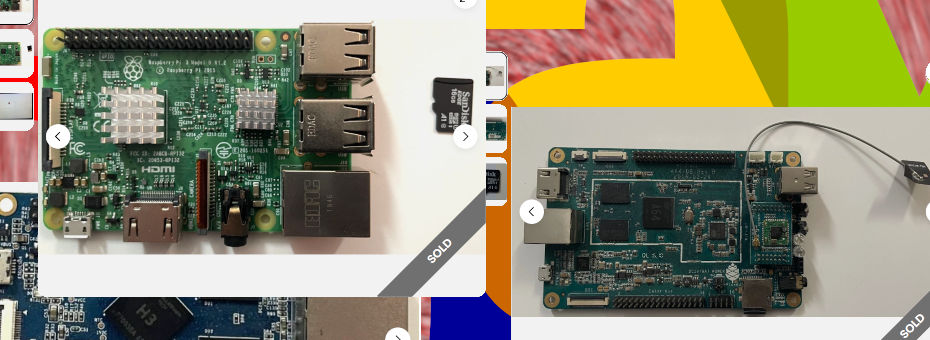
It was fun; It was real, not sure if it was both.
As weird as this turn may be. We've been selling all of our Raspberry Pis and Raspberry Pi-like clones. Partially because of one of our blogs, where buying thin clients gets you more scalability and near-equal power savings to that of a Pi. But partially because we feel that Raspberry Pi as a company has lost sight of what kind of product they are making as well. This may feel like an article of closure. But as we close one chapter, we open the next with future projects.
Previously, Previously, Previously.
Read onward to continue to diatribe.
First, what is Raspberry Pi?
For those who are completely new or somehow landed on this page as some introduction to the world of ARM processors and Raspberry Pi. Wow. Our condolences, as the search engines must've seriously fucked you.
But we'll try to explain it instead of being an asshat saying to just look at Wikipedia(clearnet):
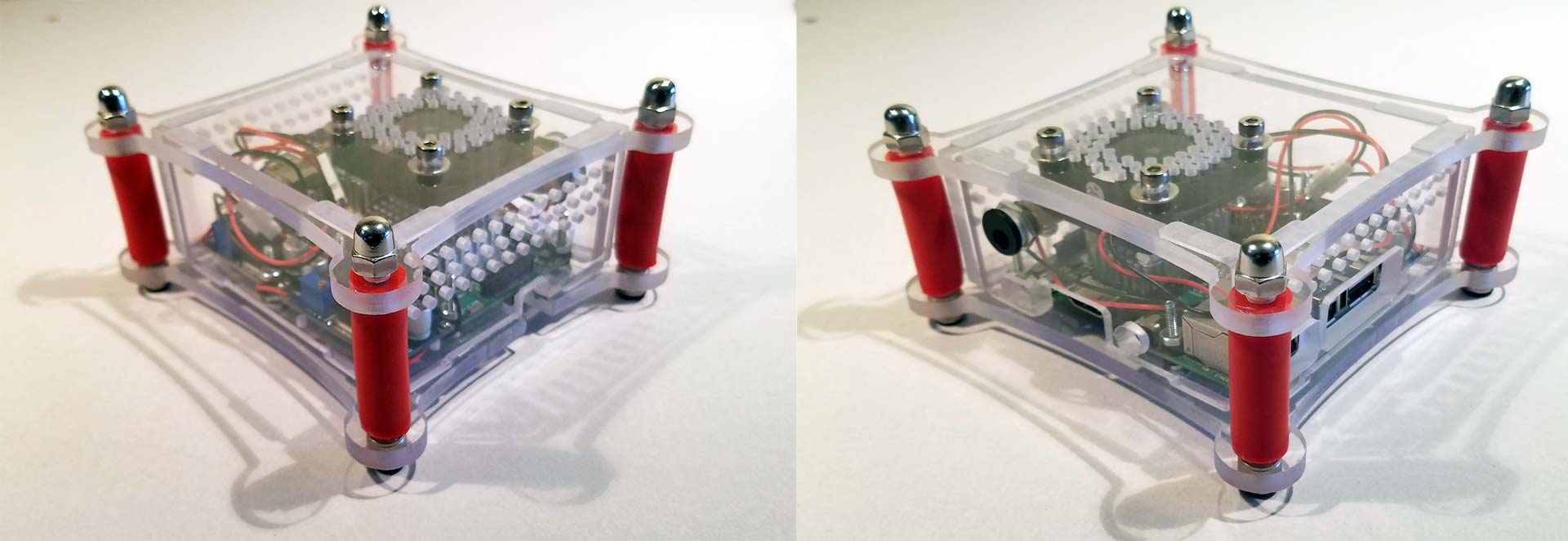 A friend wanted a Pi; they got the cool acrylic case one we made a while back with grandma's CNC router.
The original concept of the Raspberry Pi was always about 'education' because many computers are closed off from the rest of the world. Tablets, netbooks, Android consoles. All of these devices do not have Input/Output registers for someone who is interested in electronics to toy around with. Gone are the days of the "Heath Kits" for making computers (They're still around; you should check them out! (Clearnet)) where schools/people were handed a box of parts and step-by-step instructions on how to build your own electronics.
This is not accidental.
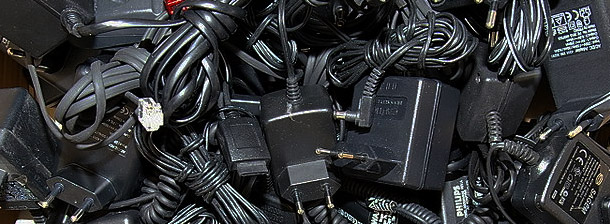
It's not like society magically stopped giving a shit on its own. Many companies do not want you to know how your electronics work. They want you to be a sheep-like consumer that believes their little black box is magical and you can't possibly understand how it works. More importantly, they exploited the human psyche on the path of least resistance. If it breaks, just buy another in state-planned obsolescence onward into infinity while they make more and more money off of (you guess it) you.
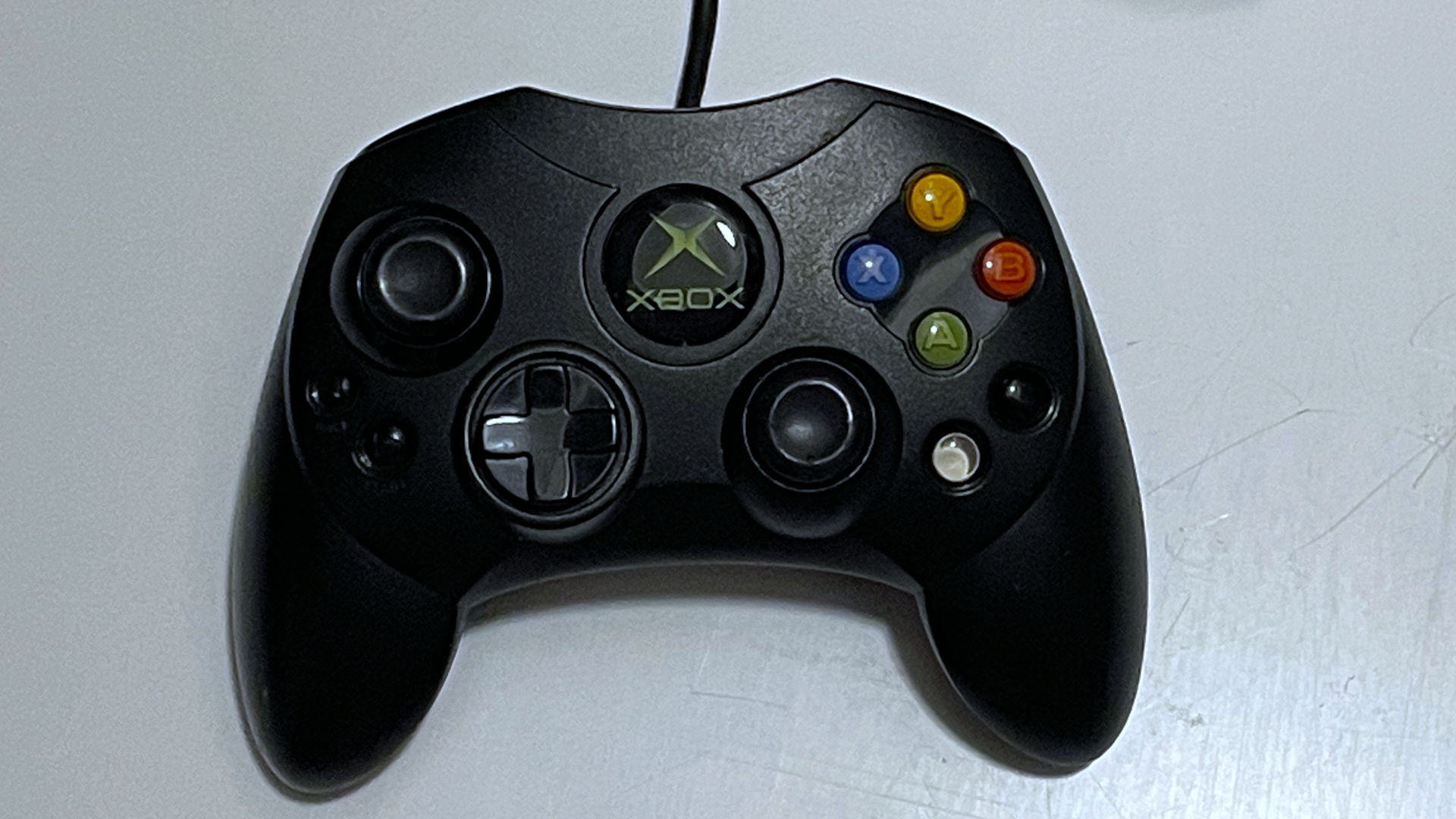
To give an easy example. Picture above is an Original Xbox S Controller manufactured back in 2002 (glad we looked this up; was about to say 2001 but that's when the Duke came out). This also has a microcontroller at its core, where the user presses buttons and sends signals via USB back to a host. This design really has not changed a whole lot from 2001 to 2026. You could easily get an Xbox-to-USB adapter. You could MAKE an Xbox-to-USB plug. If your game controller works and you love your game controller. In a world that gave a shit about the environment, you could plug this very controller into a Windows 11 box or an Xbox One Console, and it should simply detect and bring it online.
But you see, backwards compatibility is counterintuitive to the consumer market. They want you to trash your old controller and get the new shiny controller. They're not above peer pressure and shaming the consumer into buying the newest and greatest thing.
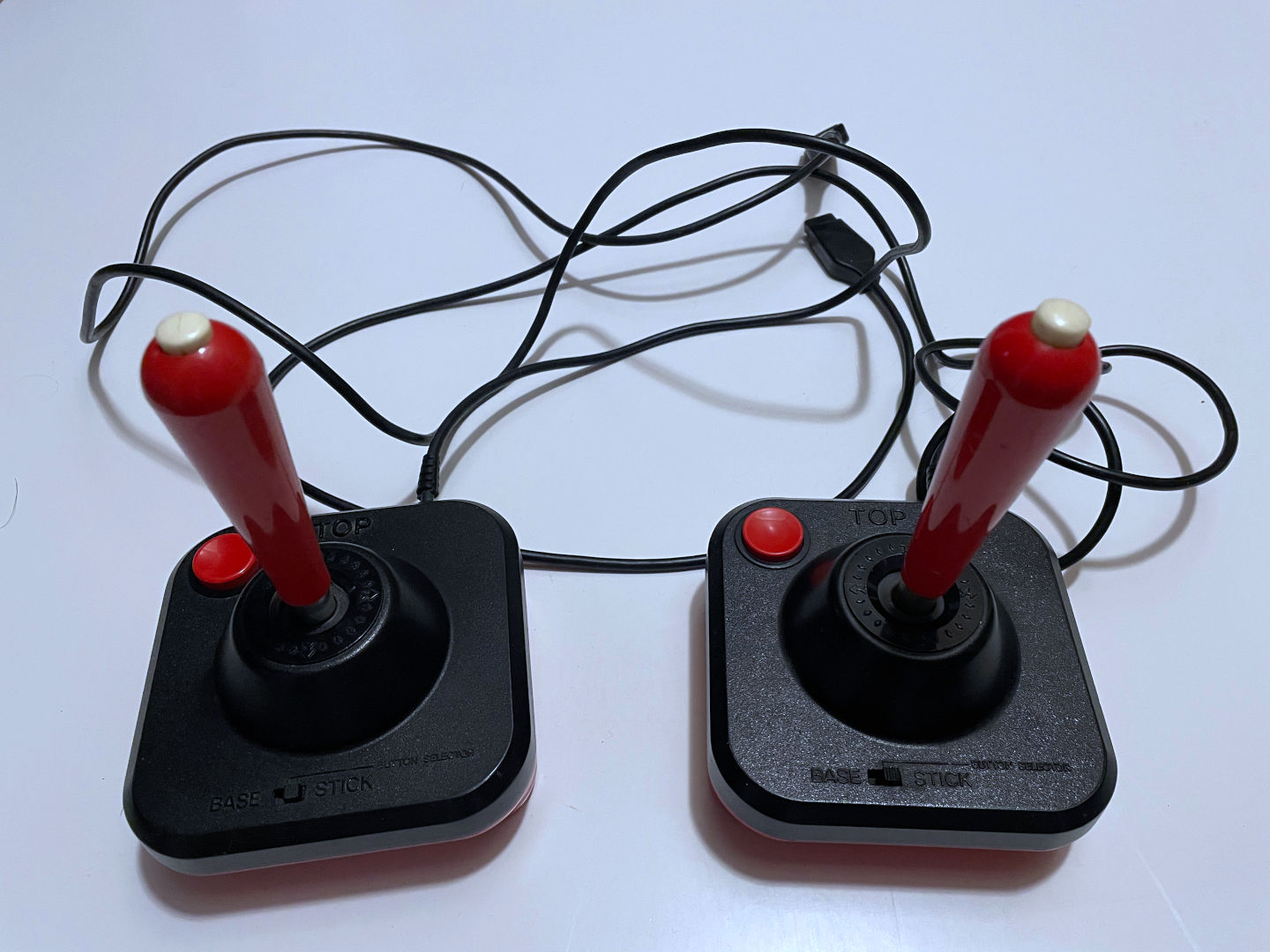
3rd-party controllers from the 8-bit era like the Wico Command Joystick that was originally for the Atari, but worked totally fine on a Commodore 64, Amiga, Atari 8-bit, and ST. But to Xbox, Sony, Nintendo, this is a loss. This is a threat. And thus, you have a gaming industry devoid of standards due to encryption and negligence. They could've still sold their controller. But at least have the option to maintain compatibility so multiplayer games could've been sold better.
Even in the Nintendo controller days with the 'game pad,' they could've established a standard using a series of pulses to equal a value back to the host. This allows for more buttons to be sent at near-real-time. Sega used this; PlayStation 1 used this. Keyboards effectively do this. But you know what? Fuck standards again!
We suppose the average gamer would argue that what their favorite company did was a smart move. It's a fair response really! After all, Nintendo wants customers, not fandoms. Perhaps the gaming industry got what it deserved to the level where it isn't about accessibility but juicing your wallet.
Back to the Pi.
The Raspberry Pi gave back the GPIO, the ability to send electronic pulse signals directly from the CPU to a destination device. Beyond just teaching kids microcontrollers like the Arduino or PICO, the Pi started with a fully bootable computer, the size of a credit card, and gave the education sector the freedom to talk about anything electronic with such a device. From programming, robotics, and even daily driver uses like writing blogs or hosting a small web server. The Raspberry Pi was the de facto Swiss army knife of computing.
Another reason why the Pi was interesting was its price. 1st generation Pis were around $35. So, even if a student committed electronic sin by reversing capacitors or feeding their Pi 12 VDC or 24 VDC, thinking more voltage == more CPU power. It would smoke, and it wouldn't be financially devastating to buy another.
Its price tag attracted more than just the education sector, as it was first promoted in industrial catalogs in America. If you can control a bunch of sensors using a handful of lines in code in Python. Well! You've just replaced an Allen-Bradley SLC 50 that cost your company thousands of dollars.
The future wanted MOAR!!!
Over the course of the Raspberry Pi's future and generation of devices, the community wanted more. More CPU, more RAM, more flexibility. These pressures resulted in the Raspberry Pi Foundation producing Pi/2/3/4/5, each of them facing a price increment for the 'more' that the community wanted. The Raspberry Pi Foundation wanted to keep the price consistent; However, the forces of the world determined otherwise. Also, with every release of the Raspberry Pi, the first run of the product was almost hoarded immediately by a group of scalpers that knew if there was enough of a demand for the 'NEW PI' they could set whatever price they wanted. Oftentimes going up to $300 just for a Raspberry Pi 5 if you are unfortunate to not pre-order in the first batch.
The OTHER Fruity Pis.
One of the great alternatives to paying hundreds for an official Raspberry Pi is by going with one of the bootlegs. We're no stranger to these; we've played with the bananaPi, the OrangePi, the Pine64, and even the Next Thing C.H.I.P. However, the problem was always the same.
Just because you saved money getting an ARM from a different company doesn't mean you get all of the community support like you would a Raspberry Pi. Without that support, accessing certain parts of the hardware on these Chinese chips was a little daunting for its time.
This ranged from issues with the graphics card where the GLES was inaccessible, leaving you to run Ubuntu or Debian with XCFE on an unoptimized chip. So if you intended to do software programming on one of these devices, there's a good chance you're kind of screwed on this front.
In other examples, the GPIO was mapped differently, resulting in a lot of confusion when hooking up HATs or building electronics for these 3rd party devices. Or more importantly, because of the lack of support, certain builds of Linux had no methodology of turning on the GPIO to even use your HAT in the first place. It was a real mess.
Finally, because of memory companies using the excuse of AI consuming their product, using a purely circumstantial excuse. Combined with US Tarriff action. This led to a lot of bootleg off-fruit products also jumping in price as well.
"You know what? Fuck GPIO.. I don't need it."
The thin client.
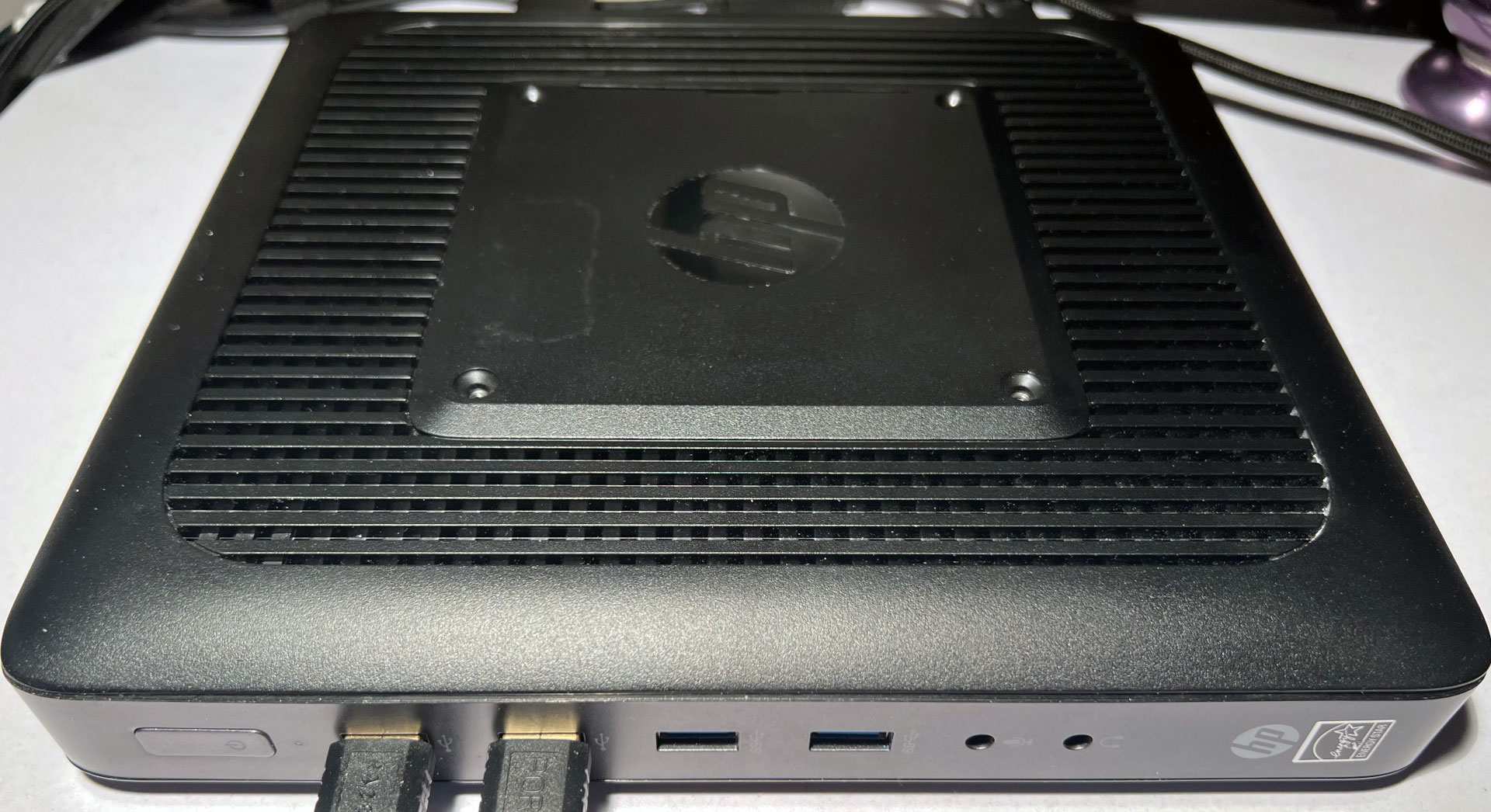
Ahh, now we're coming full circle as to why we're selling off our Pis. A while back we did a blog about thin clients. On how you can get them for almost nothing because instead of loading another (more secure) OS other than Microsoft, these companies decided it was best to throw every single thin client in their office away. Hundreds, if not thousands, of them hit the garbage and/or auction sites. This concept is only accelerated by Microslops infernal demand not only for insane, bloated processing and memory power. But also for control over everyone's systems via the TPM chip.
This is great. Because now an HP T620, which has as much CPU power as a Raspberry Pi 3 but is x86 compliant, can now be bought anywhere from ten to twenty US dollars. Because it's still an X86 chip, no need for cross-compiling anything. The onboard GPU can handle standard OpenGL. No need for Vulkan or GLES conversion.
But what about GPIO-level work? Well, this is where you separate the worlds a little.
- Thin Client for the software side.
- ESP32/Arduino/Raspberry PICO for the GPIO-level circuitry work.
Which is a bit more realistic of an approach when working with devices.
Well, at least for us!
Onwards to eBay they go!
A lot of our boards are old and slow in comparison to the Raspberry Pi 5. However, they're still wanted for many applications. Upon selling these off, we either lost a little money (about 5-10 bucks per board) or we broke even. Which is realistically all we can ask. We reviewed the boards; We didn't really do much with these old boards, and there's really nothing more that we can do with these old boards except repurpose them to an odd project or two. But in many cases our thin clients were replacing about 80-90 percent of the projects we were doing.
Final thoughts.
 This, or an ASRock BS-250 unlocked as a GPU gaming rig. Different strokes, we know!
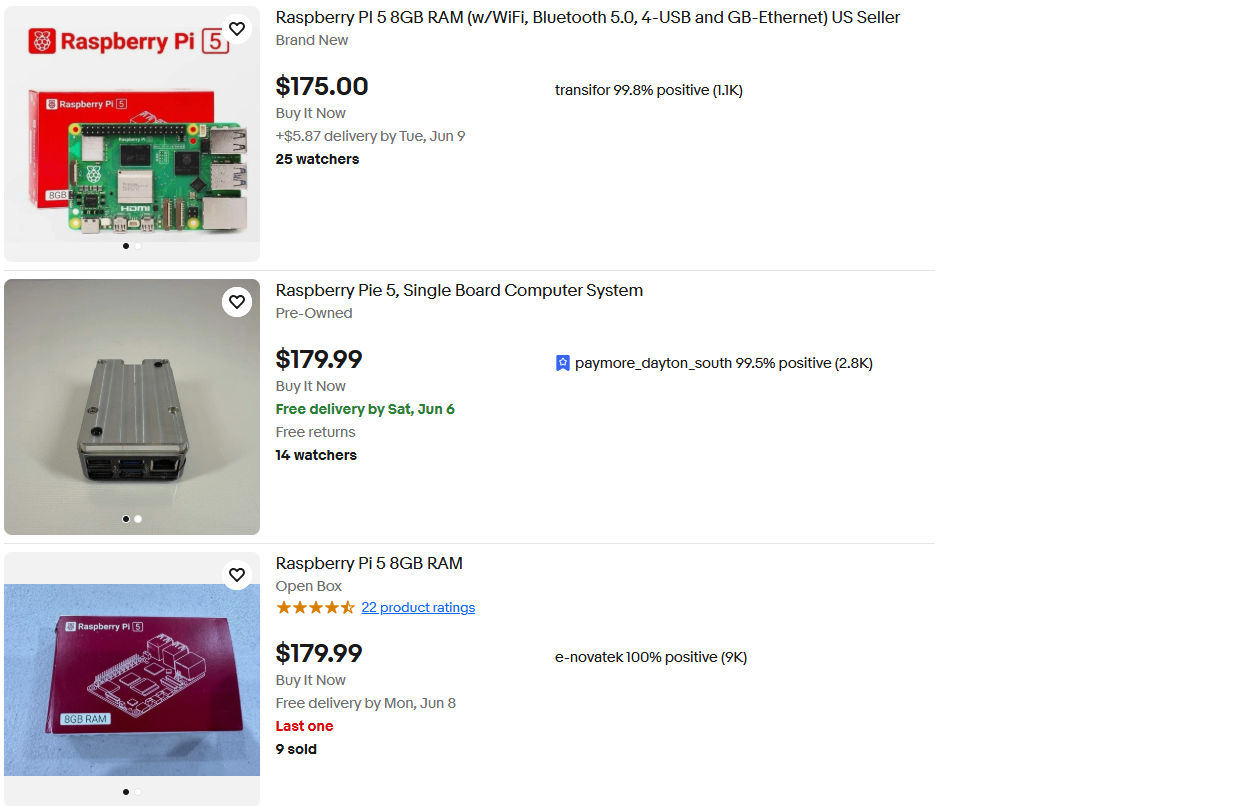
We're probably not going to get rid of ALL of our Raspberry PI's. Instead, many of my future articles may be focused on peripherals that we use in conjunction with something like a Raspberry Pi, and that's about it. We would love to keep them all. But we also don't have the kind of space to tile these things across my wall like some kind of digital museum either. With the memory chip shortage really screwing a lot of things, it's unfortunate that these devices for learning are starting to push $100+ USD, and we're being conservative with the pricing.
To be the digital vultures within a throwaway culture is the best bang for your buck in 2026. This attitude will likely remain for us until the tech industry gets their head out of their ass. Or, if we magically become rich enough to become utterly disconnected from the tech community, convincing everyone that Private Jets are CRAZY cheap.
High markups may help with profit, but it will adversely impact innovation, as oftentimes the people that come up with the next big thing are guys in a basement putting together something with practical garbage.
That's what server said.
+++ END OF LINE.